
Does Analyzing Data On Platforms (trends, What's Hot/Not Hot) Save Sellers Time And Money?
Selling online keeps changing fast, and staying ahead often comes down to knowing what people want right now. From my own experience as a seller, figuring out trends early and understanding who is buying what makes my work much more efficient. I use platform data from places like Etsy, Amazon, TikTok, and YouTube to save time and avoid wasting money on products nobody’s actually looking for. Here’s a look at how data analysis helps sellers make smarter decisions and work more efficiently.
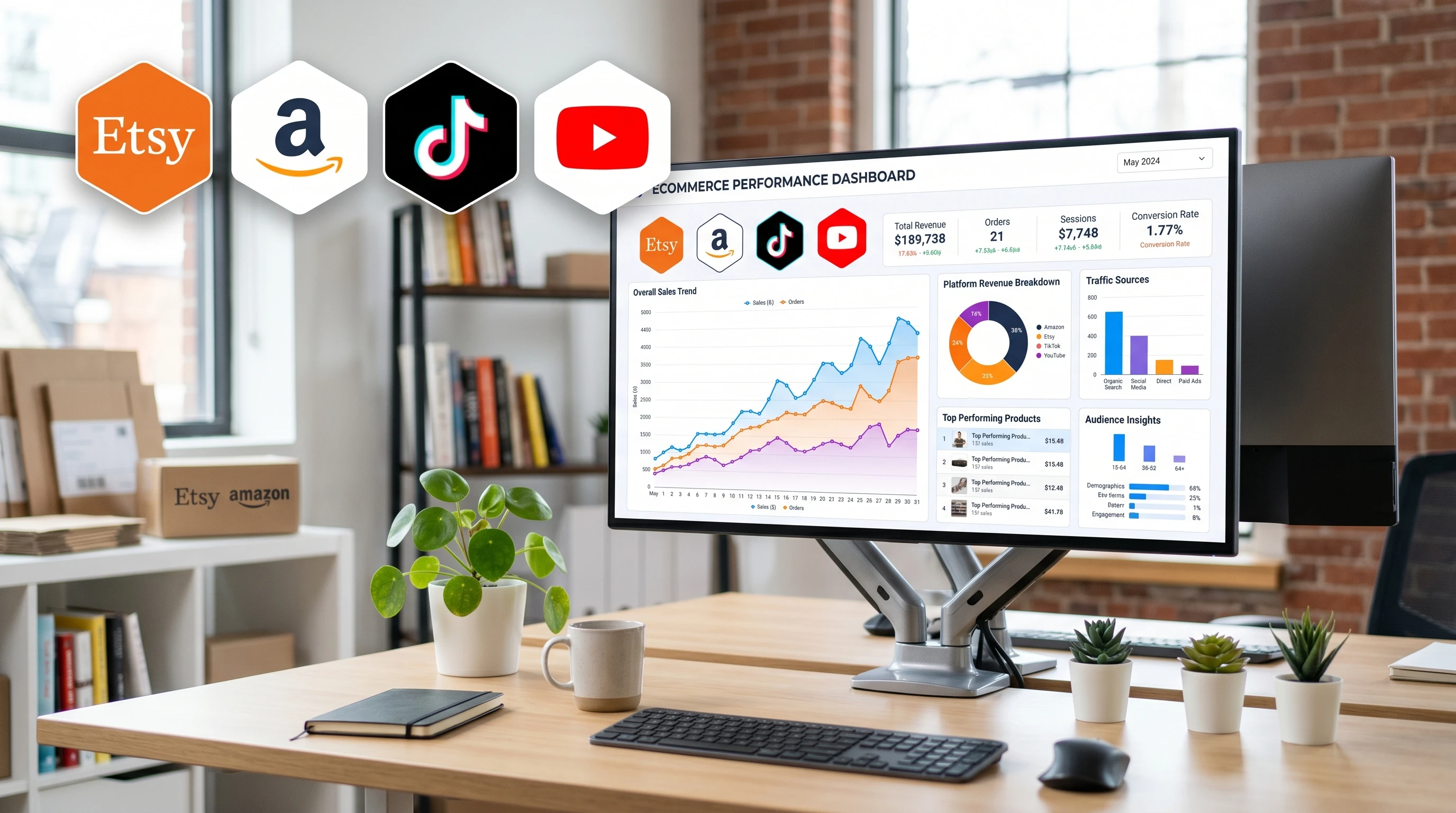
How Data Analysis Shortens the Learning Curve for Sellers
Trying to guess what will sell next can lead to a lot of wasted effort. When I started out, I’d spend hours researching products, making small batches, and hoping they would catch on. Many times, these guesses missed the mark, and I’d end up with dead stock. Once I began tracking data, like what’s trending and which search terms were spiking, I noticed I spent less time second-guessing and more time actually listing items that people were already searching for.
On platforms like Etsy and Amazon, built-in analytics tools show what products are being searched, what’s being bought, and even which items are getting clicks but not purchases. TikTok and YouTube also give insights into what videos or topics are moving fast or slowing down. Using these analytics, I can often skip the guesswork and jump straight into areas where buyers are actively spending their money.
Why Knowing What’s Hot (and Not) Matters
Spotting trends before they peak is really important for any online shop. I’ve found that when I use trend data, I cut down on wasted time, mainly because I’m not chasing ideas that have already fizzled out. If a product category is declining, I don’t waste time making listings or sourcing inventory for it. Instead, I focus on up and coming niches.
- Higher Sell Through Rates: Products chosen based on live data tend to sell faster since there’s proven demand.
- Lower Inventory Costs: By knowing what won’t sell, I minimize unsold stock.
- Less Time Testing Ideas: When trend data suggests a certain style or product is getting popular, I can act on it right away and see results much faster.
This makes my business more efficient, and it means I’m spending less on storing, promoting, or discounting items that people aren’t interested in any more.
How Data Analysis Helps Find Niche Trends
Platforms like Etsy, Amazon, and even TikTok work differently, but one thing they all have in common is a realtime look at what people are doing and buying. Here’s how trend analyzers break down niche opportunities:
- Etsy: I can see which occasions (like weddings or holidays) are spiking in search, or what style of handmade jewelry is being added to wishlists.
- Amazon: Tracking keyword trends shows not just what’s searching hot today, but what’s been gaining steam over the last month or season. Tools like Jungle Scout or Helium 10 give extra layers of detail.
- TikTok: The algorithm pushes new product ideas front and center. Watching which hashtags and challenges are trending helps me spot new “viral” market opportunities almost instantly.
- YouTube: By looking at rising search queries and what’s getting lots of video reviews, I can tell which products have growing demand before they show up in traditional sales charts.
By tapping into these insights, I’m able to invest in specialized products with lower competition but healthy demand. The key here is acting quickly—new trends burst onto the scene, so getting in early helps me carve out a unique spot before the crowd shows up. This allinone strategy leads to creating a shop that isn’t just following trends, but helping set them.
Understanding Buyer Behavior: Who Buys What, Where, and Why
Analyzing data does more than just tell me what’s trending. It helps reveal who is buying and why. On Amazon, for example, customer reviews and purchase patterns often point to gift buyers or repeat shoppers. On Etsy, I might find that most mug sales happen as personalized gifts near the end of the year. Social media platforms also offer insights—TikTok and YouTube give me age groups, interests, and even locations where interest is surging.
When I match products to the right buyers earlier, my ads and listings get better engagement. That saves money on advertising and often means I get better reviews, which leads to even more customers down the line. Additionally, understanding buyer behavior allows me to shape my marketing efforts and communication in a way that feels personal and relevant, instead of generic and easily ignored. This personal touch sets my shop apart in the minds of shoppers who are tired of seeing the same cookiecutter products everywhere.
How Sellers Save Time Using Trend Trackers and Analytics Tools
Before data tracking tools, I spent a lot of time trying to figure out why certain items just didn’t move. Now, using analytics software or the reporting dashboards built into each selling platform, I cut out deadend projects early and can focus on what’s working. For instance:
- Quick Product Research: Instead of days spent on forums or Google, I can check a trend dashboard in a few minutes.
- Fast Testing and Editing: When I spot a dip or spike in a product line, I can update listings, photos, or descriptions instantly based on what the data tells me.
- Smoother Inventory Management: Insights about slow movers or fast sellers help me adjust inventory before I run out or get stuck with extra stock.
Cutting down on manual research and repetitive changes means more time for designing new items, customer service, or even just taking a break. I’ve found that the more I can automate or speed up these daily tasks, the more room I have to experiment and try fresh product ideas, which keeps business interesting and helps sales grow fast.
Avoiding Costly Selling Mistakes with Real Time Data
One of the most expensive mistakes I’ve made is overinvesting in an unproven idea. Realtime data gives me a checkpoint before I order in bulk or sink time into a new marketing campaign. For example, a trend checker might show that a certain color or pattern was hot last year but is fading now, so I avoid buying too much of it. Likewise, if a niche is getting crowded, I can pick something less saturated and go after it early, reducing the risk of direct price wars.
Even if I do take a risk, I can monitor data closely and make changes sooner, like lowering prices or bundling slow sellers with popular items, saving money and keeping things moving. Making decisions using real time stats is especially valuable during peak shopping seasons or when a new viral trend appears out of nowhere.
Helpful Tools and Services for Sellers Who Want to Analyze Trends
Many tools now make trend analysis much easier for small business owners and independent sellers. Here are some options I’ve found helpful:
- Google Trends: Lets me see what people are searching for in real time, by location and season.
- Etsy’s Shop Dashboard: Shows search volumes, conversion rates, and listing comparisons within my shop.
- Amazon Seller Central: Provides traffic and sales dashboards, plus product suggestions based on rising demand.
- Social Listening Tools: Services like BuzzSumo or TrendTok track what’s being talked about or going viral right now, so I don’t miss sudden spikes.
Using these tools helps me make decisions based on real numbers, not just gut feelings or scattered advice from social media and forums. If you’re just starting out, try several free versions to see what fits your shop, and don’t hesitate to ask other sellers what has worked best for them. Building your own system as you grow will give you the flexibility to shift strategies as trends change, keeping your shop ahead of the curve.
Challenges and Things to Watch Out For When Relying on Data
Even with great trend trackers, I’ve run into a few hurdles. Busy sellers sometimes get overwhelmed by charts and stats. A trend might look promising, but if I don’t doublecheck supply chains or spotcheck if a fad is fading too quickly, it’s easy to overcommit. Sometimes, competitive sellers flood a niche all at once, driving down prices and making even trending items hard to sell profitably.
I’ve learned to balance the numbers with real-world testing: spottrial small batches, talk to buyers directly, and stay flexible with my inventory. Careful research helps me catch changes early, so I don’t get stuck when a trend burns out or switches up direction overnight. Also, keeping an eye out for shifts in platform algorithms is important, as what works today on Etsy or TikTok may need to be adjusted as rules and policies evolve.
Frequently Asked Questions
Question: Do I need paid software to get reliable trend data?
Answer: Many free options exist, like Google Trends, Etsy reports, and Amazon’s built-in analytics. Paid tools often add extra features, but starting with free data works well for most sellers.
Question: How often should I check trends?
Answer: I try to look at trends at least once a week. For fastmoving niches like pop culture or seasonal events, I might check daily.
Question: Can trend analysis guarantee more sales?
Answer: While nothing guarantees success, trend analysis makes it much more likely I’ll find a winning product sooner and avoid costly inventory mistakes.
Final Thoughts
Analyzing data across selling platforms is one of the best ways I’ve found to save time, cut costs, and launch products with a higher chance of success. Instead of guessing, I use concrete information to work smarter and stay a step ahead of changing trends. Careful use of these insights helps me enjoy selling, and keeps my business moving in the right direction. Keeping an eye out for new patterns and acting on the numbers has made online selling not just easier, but more rewarding for me as a whole.